
POLAND Wolsztyn (Titan and Titania)
Re: POLAND Wolsztyn (Titan and Titania)
So probably (using the example of Kinderek) this method of raising black storks is not successful. It's fantastic that he is alive, but it seems that he will never be a wild bird again.What a pity
-
marika.solo
- Site Admin
- Posts: 29365
- Joined: 29 Sep 2021, 09:38
Re: POLAND Wolsztyn (Titan and Titania)
Hi Lena,
as you know, it’s important not only to minimize contact with humans (including visits by various groups of people) and dogs, but also to avoid contact with White Storks.
The best option is adoption into a nest with chicks of a suitable number and age. However, with Black Storks this is very difficult to achieve. It has been successfully done in the past — for example, in the Czech Republic (the first Black Stork chicks at the Makov–Čížová Rescue Station) and also in Estonia, as we know.
Btw. I remember the difficult decision-making of Dr. Anderwald (we were in written contact) and everyone involved in the Kinderko case (but also experts in Estonia - Bonus and her siblings).
Re: POLAND Wolsztyn (Titan and Titania)
Hi Marika,
yes, of course we know this, but despite this knowledge we sometimes hope for a miracle.
-
marika.solo
- Site Admin
- Posts: 29365
- Joined: 29 Sep 2021, 09:38
Re: POLAND Wolsztyn (Titan and Titania)
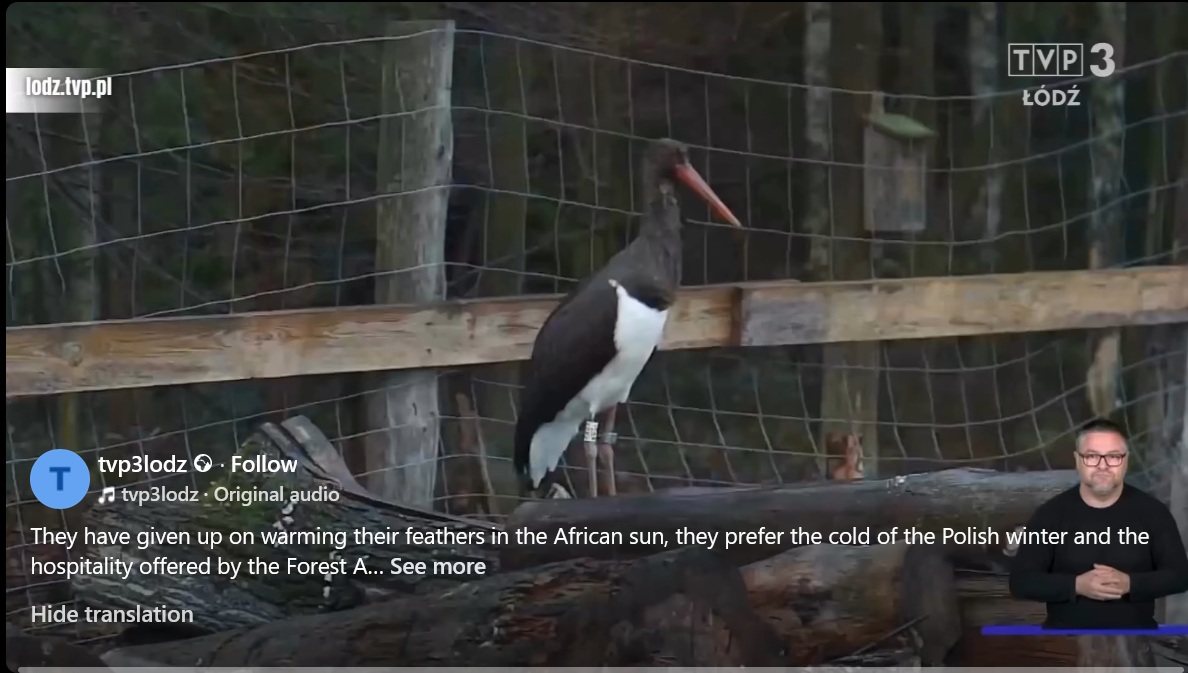
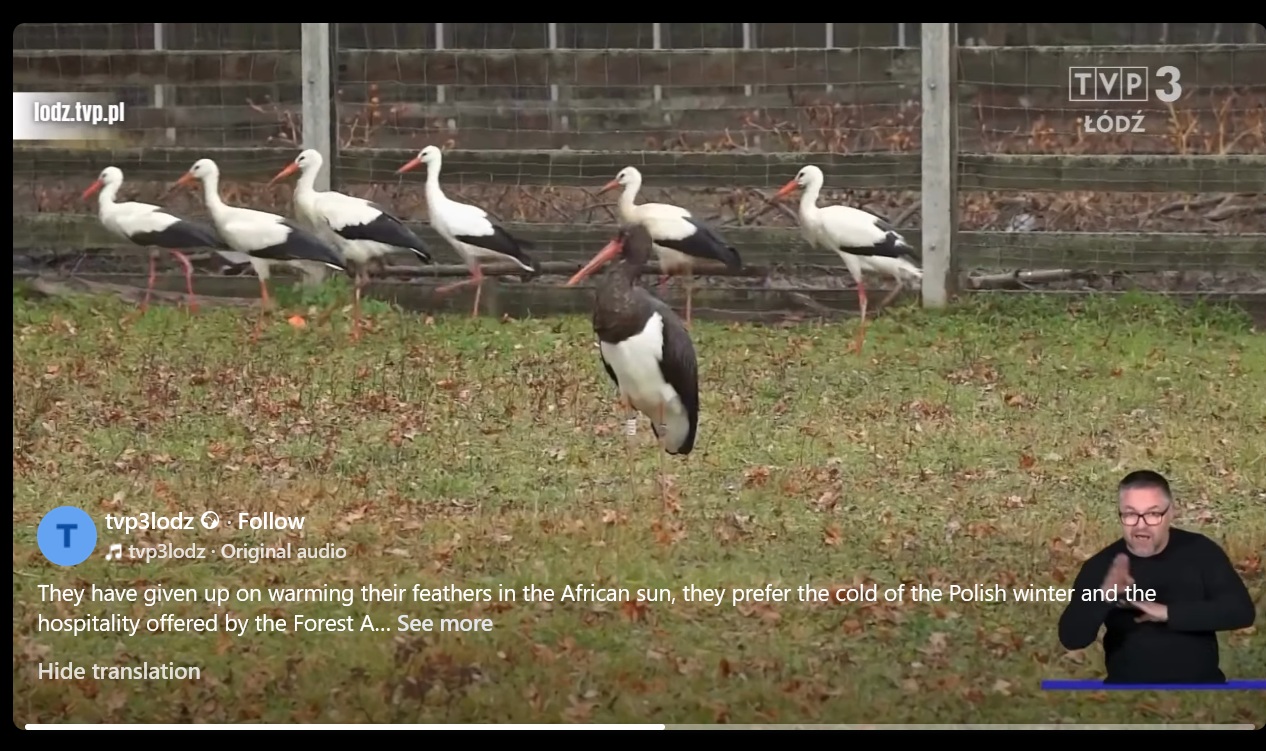
FB tvp3lodz
posted 18.11.2025
news about KINDERKO (2CY - hatched 2024)
This young black stork rescued from the streamed nest in Wolsztyn remains around Kolo where he spent the 1st winter. Storks that, for various reasons, manage to winter successfully in Europe sometimes lose their migratory instinct and attempt to stay here in the following seasons as well.
Raising a black stork among white storks can lead to problems in adulthood — he will likely seek out and compete for white stork nests and white stork females, as has been documented several times before. And with no chance of success given the size (and strength) of the white storks.
https://www.facebook.com/reel/1497214798216234
Zrezygnowały z grzania piór w słońcu Afryki, wolą chłód polskiej zimy i gościnność, którą oferuje bocianom Leśny Ośrodek Rehabilitacji Zwierząt w Kole. Klekoczących rezydentów obecnie jest w nim 20, a wśród nich jeden bocian czarny - znany Państwu z naszych relacji - Kinderek, porzucony przez matkę i wychowywany w osadzie. Dlaczego nie wybrał dalekich wojaży?
They gave up warming their feathers in the African sun, preferring the cold of the Polish winter and the hospitality offered to storks by the Forest Animal Rehabilitation Center in Koło. Among the 20 clattering residents currently there is one black stork—well-known to you from our reports—Kinderek, who was abandoned by his mother and raised in the settlement. Why did he choose not to embark on a distant voyage?
both pic from the reel
posted 18.11.2025
news about KINDERKO (2CY - hatched 2024)
This young black stork rescued from the streamed nest in Wolsztyn remains around Kolo where he spent the 1st winter. Storks that, for various reasons, manage to winter successfully in Europe sometimes lose their migratory instinct and attempt to stay here in the following seasons as well.
Raising a black stork among white storks can lead to problems in adulthood — he will likely seek out and compete for white stork nests and white stork females, as has been documented several times before. And with no chance of success given the size (and strength) of the white storks.
https://www.facebook.com/reel/1497214798216234
Zrezygnowały z grzania piór w słońcu Afryki, wolą chłód polskiej zimy i gościnność, którą oferuje bocianom Leśny Ośrodek Rehabilitacji Zwierząt w Kole. Klekoczących rezydentów obecnie jest w nim 20, a wśród nich jeden bocian czarny - znany Państwu z naszych relacji - Kinderek, porzucony przez matkę i wychowywany w osadzie. Dlaczego nie wybrał dalekich wojaży?

They gave up warming their feathers in the African sun, preferring the cold of the Polish winter and the hospitality offered to storks by the Forest Animal Rehabilitation Center in Koło. Among the 20 clattering residents currently there is one black stork—well-known to you from our reports—Kinderek, who was abandoned by his mother and raised in the settlement. Why did he choose not to embark on a distant voyage?
both pic from the reel
-
marika.solo
- Site Admin
- Posts: 29365
- Joined: 29 Sep 2021, 09:38
Re: POLAND Wolsztyn (Titan and Titania)
Sad news: Kinderko (3CY) died in Hungary
All we know for now is: "Winter is bad timing for the migration - lack of food, hypothermia." (I am collaborating with Mr. Anderwald and Hungarian ornithologists to handle this situation.)
Yesterday (February 13) I received this sad message from Mr. Anderwald.
Na razie wiemy tylko tyle: „Zima to zły czas na migrację – brak pożywienia, hipotermia”. (Współpracuję z panem Anderwaldem i węgierskimi ornitologami, aby zaradzić tej sytuacji).
Wczoraj (13 lutego) otrzymałem tę smutną wiadomość od pana Anderwalda.
All we know for now is: "Winter is bad timing for the migration - lack of food, hypothermia." (I am collaborating with Mr. Anderwald and Hungarian ornithologists to handle this situation.)
Yesterday (February 13) I received this sad message from Mr. Anderwald.
Na razie wiemy tylko tyle: „Zima to zły czas na migrację – brak pożywienia, hipotermia”. (Współpracuję z panem Anderwaldem i węgierskimi ornitologami, aby zaradzić tej sytuacji).
Wczoraj (13 lutego) otrzymałem tę smutną wiadomość od pana Anderwalda.
-
marika.solo
- Site Admin
- Posts: 29365
- Joined: 29 Sep 2021, 09:38
Re: POLAND Wolsztyn (Titan and Titania)
https://www.facebook.com/BocianiMy/post ... rncog2iy1l
14.02.2026
KINDEREK’S FINAL JOURNEY
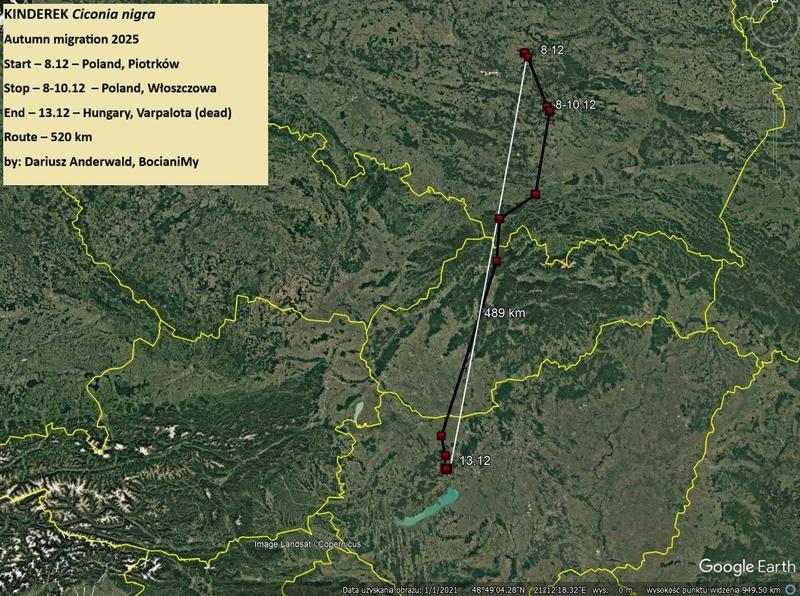
Unfortunately, despite the great dedication and numerous efforts of many people to save Kinderek, they were not enough. In July 2024, the bird was taken from its nest by the Eagle Conservation Committee (KOO) as a 37-day-old chick. https://youtu.be/qUIpj7x4w9E Ornithologists transported him over 300 km to a specialised rehabilitation center in Koło, where he stayed for 16 months.
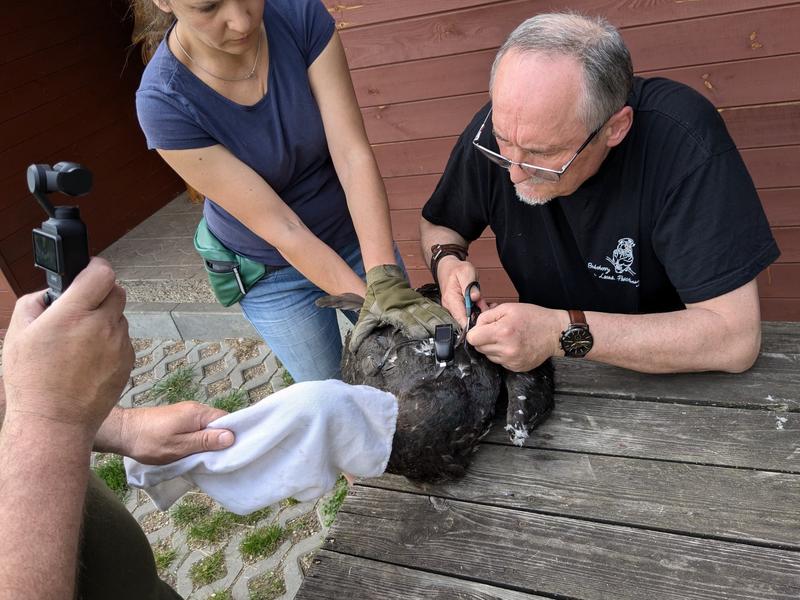
At the end of April 2025, the KOO fitted the black stork with a specialised logger/transmitter to track his exact location, and he was released. For the next seven months, Kinderek was a FREE bird. He often went on multi-day trips, but he always returned to the centre and its pond full of fish.
We strongly hoped that during these exploratory-flights in August and September, he would join wild storks. Even in October, we still held onto that hope; later, we were certain he would simply spend the winter at the centre.
An Unexpected Departure
To our surprise, the young stork began his migration, but TOO LATE - not until December 8th. He flew 80 km south-east, where he fed at ponds near Włoszczowa for two days.
On December 10th, he headed south-west. Without any further stops for food, he flew for four days in the right direction, crossing the winter landscapes of the Carpathians and the mountains of Slovakia alone.
On December 13th, he reached the Hungarian lowlands. Kinderek lacked the necessary experience and had virtually no chance of finding easy food at this time of year. After covering 520 km, the stork succumbed to hunger and exhaustion on the evening of December 13th, 20 km north of Lake Balaton in Hungary.
The Final Lesson
Yesterday, we received a signal from the transmitter. We are now working with Hungarian ornithologists to reach the location, recover the device, and give it a "new life."
Unfortunately, we did not succeed in saving this stork. As this example shows, the process of helping animals regain their independence and "rewilding" them after they have been taken from nature - even with the best intentions - is extremely difficult and carries a high risk of failure. But at least we tried ...
map and photos: viewtopic.php?p=53530#p53530
14.02.2026
KINDEREK’S FINAL JOURNEY
Unfortunately, despite the great dedication and numerous efforts of many people to save Kinderek, they were not enough. In July 2024, the bird was taken from its nest by the Eagle Conservation Committee (KOO) as a 37-day-old chick. https://youtu.be/qUIpj7x4w9E Ornithologists transported him over 300 km to a specialised rehabilitation center in Koło, where he stayed for 16 months.
At the end of April 2025, the KOO fitted the black stork with a specialised logger/transmitter to track his exact location, and he was released. For the next seven months, Kinderek was a FREE bird. He often went on multi-day trips, but he always returned to the centre and its pond full of fish.
We strongly hoped that during these exploratory-flights in August and September, he would join wild storks. Even in October, we still held onto that hope; later, we were certain he would simply spend the winter at the centre.
An Unexpected Departure
To our surprise, the young stork began his migration, but TOO LATE - not until December 8th. He flew 80 km south-east, where he fed at ponds near Włoszczowa for two days.
On December 10th, he headed south-west. Without any further stops for food, he flew for four days in the right direction, crossing the winter landscapes of the Carpathians and the mountains of Slovakia alone.
On December 13th, he reached the Hungarian lowlands. Kinderek lacked the necessary experience and had virtually no chance of finding easy food at this time of year. After covering 520 km, the stork succumbed to hunger and exhaustion on the evening of December 13th, 20 km north of Lake Balaton in Hungary.
The Final Lesson
Yesterday, we received a signal from the transmitter. We are now working with Hungarian ornithologists to reach the location, recover the device, and give it a "new life."
Unfortunately, we did not succeed in saving this stork. As this example shows, the process of helping animals regain their independence and "rewilding" them after they have been taken from nature - even with the best intentions - is extremely difficult and carries a high risk of failure. But at least we tried ...
map and photos: viewtopic.php?p=53530#p53530
-
marika.solo
- Site Admin
- Posts: 29365
- Joined: 29 Sep 2021, 09:38
Re: POLAND Wolsztyn (Titan and Titania)
OSTATNIA PODRÓŻ KINDERKA
Niestety, liczne działania podjęte z wielkim poświęceniem przez wielu ludzi, by uratować #Kinderka – nie pomogły. Ptak został zabrany w lipcu 2024 roku z gniazda przez #Komitet_Ochrony_Orłów jako 37-dniowe pisklę https://youtu.be/qUIpj7x4w9E
Ornitolodzy przewieźli go ponad 300 km do specjalistycznego ośrodka rehabilitacj w #Kole, gdzie przebywał 16 miesięcy. Pod koniec kwietnia 2025 roku KOO zamontował na plecach bociana czarnego specjalistyczny logger rejestrujący dokładnie lokalizację ptaka, który został wtedy wypuszczony. Kinderek był więc przez następne 7 miesiący ptakiem WOLNYM i nawet wiele razy wypuszczał się na kilkudniowe wycieczki, ale wciąż wracał do ośrodka i do .. stawu pełnego ryb. Liczylismy bardzo na to, że w czasie tych #lotów_eksploracyjnych dołączy w w okresie sierpnia-września do dzikich bocianów. Jeszcze w październiku mielismy taką nadzieję, a potem byliśmy pewni, że będzie zimował przy ośrodku. Niestety, ku naszemu zaskoczeniu, młody bocian wystartował w swoją podróż, jednak ZA PÓŹNO, bo dopiero 8 grudnia. Poleciał 80 km na SE, gdzie w okolicach #Włoszczowa żerował 2 dni na stawach. Ruszył na SW 10 grudnia i już bez postojów i jedzenia leciał 4 dni w dobrym kierunku, samotnie pokonał zimowe Karpaty i góry Słowacji, by 13 grudnia wlecieć na niziny węgierskie. Kinderek nie miał odpowiedniego doświadczenia i właściwie był bez szans na zdobycie łatwego pokarmu o tej porze roku. Po pokonaniu 520 km wieczorem bocian padł z głodu i wycieńczenia 20 km na N od jeziora #Balaton na #Węgerzech. Wczoraj odebraliśmy sygnał z nadajnika i podejmujemy próby z węgierskimi ornitologami, aby dotrzeć w to miejsce i odzyskać urządzenie i dać mu „nowe życie”. Niestety nie udało się nam uratować tego bociana. Jak widać na tym przykładzie proces usamodzielniania się i zdziczania zwierząt zabranych w dobrej wierze z natury, jest bardzo trudny i obarczony dużym ryzykiem niepowodzenia. Ale, przynajmniej próbowaliśmy …
mapa, zdjęcia viewtopic.php?p=53530#p53530
Niestety, liczne działania podjęte z wielkim poświęceniem przez wielu ludzi, by uratować #Kinderka – nie pomogły. Ptak został zabrany w lipcu 2024 roku z gniazda przez #Komitet_Ochrony_Orłów jako 37-dniowe pisklę https://youtu.be/qUIpj7x4w9E
Ornitolodzy przewieźli go ponad 300 km do specjalistycznego ośrodka rehabilitacj w #Kole, gdzie przebywał 16 miesięcy. Pod koniec kwietnia 2025 roku KOO zamontował na plecach bociana czarnego specjalistyczny logger rejestrujący dokładnie lokalizację ptaka, który został wtedy wypuszczony. Kinderek był więc przez następne 7 miesiący ptakiem WOLNYM i nawet wiele razy wypuszczał się na kilkudniowe wycieczki, ale wciąż wracał do ośrodka i do .. stawu pełnego ryb. Liczylismy bardzo na to, że w czasie tych #lotów_eksploracyjnych dołączy w w okresie sierpnia-września do dzikich bocianów. Jeszcze w październiku mielismy taką nadzieję, a potem byliśmy pewni, że będzie zimował przy ośrodku. Niestety, ku naszemu zaskoczeniu, młody bocian wystartował w swoją podróż, jednak ZA PÓŹNO, bo dopiero 8 grudnia. Poleciał 80 km na SE, gdzie w okolicach #Włoszczowa żerował 2 dni na stawach. Ruszył na SW 10 grudnia i już bez postojów i jedzenia leciał 4 dni w dobrym kierunku, samotnie pokonał zimowe Karpaty i góry Słowacji, by 13 grudnia wlecieć na niziny węgierskie. Kinderek nie miał odpowiedniego doświadczenia i właściwie był bez szans na zdobycie łatwego pokarmu o tej porze roku. Po pokonaniu 520 km wieczorem bocian padł z głodu i wycieńczenia 20 km na N od jeziora #Balaton na #Węgerzech. Wczoraj odebraliśmy sygnał z nadajnika i podejmujemy próby z węgierskimi ornitologami, aby dotrzeć w to miejsce i odzyskać urządzenie i dać mu „nowe życie”. Niestety nie udało się nam uratować tego bociana. Jak widać na tym przykładzie proces usamodzielniania się i zdziczania zwierząt zabranych w dobrej wierze z natury, jest bardzo trudny i obarczony dużym ryzykiem niepowodzenia. Ale, przynajmniej próbowaliśmy …
mapa, zdjęcia viewtopic.php?p=53530#p53530
-
marika.solo
- Site Admin
- Posts: 29365
- Joined: 29 Sep 2021, 09:38
Re: POLAND Wolsztyn (Titan and Titania)
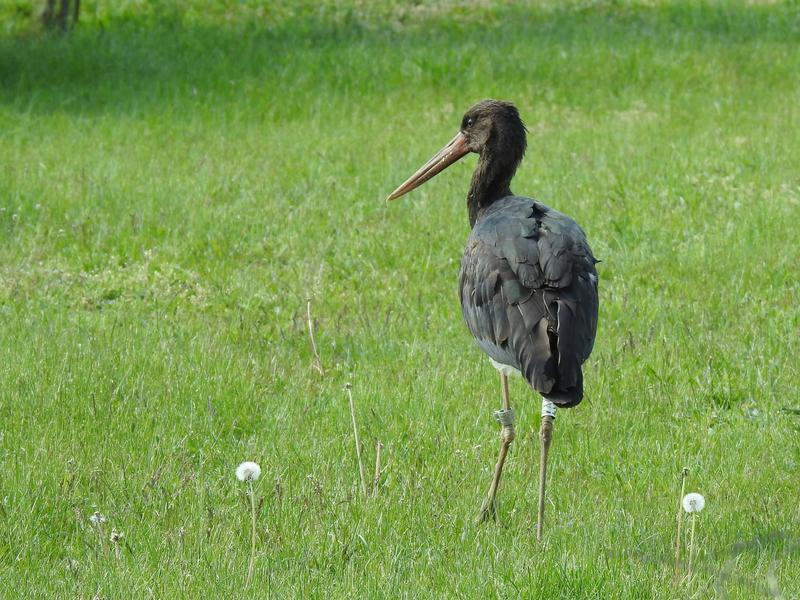
14.05.2025, Kinderek z loggerem gps-gsm na plecach. Ośrodek rehabilitacji w zwierząt w Kole, fot. D. Anderwald
May 14, 2025. Kinderek with the GPS-GSM logger on his back. Wildlife Rehabilitation Center in Koło. Photo by D. Anderwald
28.04.2025, Ośrodek w Kole, montaż loggera gps-gsm na plecach Kinderka, fot. KOO.
April 28, 2025. Installation of a GPS-GSM logger on Kinderek’s back at the Center in Koło. Photo by the Eagle Conservation Committee (KOO).
-
Pavel kunetek
- Posts: 78
- Joined: 08 Apr 2024, 13:31
Re: POLAND Wolsztyn (Titan and Titania)
To je zase hrozne smutne,myslel jsem,ze zimu precka okolo stanice a na jare ze se zacne toulat a nakonec odleti,,
-
marika.solo
- Site Admin
- Posts: 29365
- Joined: 29 Sep 2021, 09:38
Re: POLAND Wolsztyn (Titan and Titania)
S tým počítali všetciPavel kunetek wrote: ↑17 Feb 2026, 08:31To je zase hrozne smutne,myslel jsem,ze zimu precka okolo stanice a na jare ze se zacne toulat a nakonec odleti
(aj vysielačku mal nastavenú na zimný režim - dlhší interval, nie každý deň)That's really sad, I thought it would spend the winter around the station and in the spring it would start wandering and eventually fly away
Everyone was already counting on that
(he also had his transmitter set to winter mode - longer interval, not every day)